Foul-Weather Clothing for UK Sailing: Layers, Kit and What to Buy First
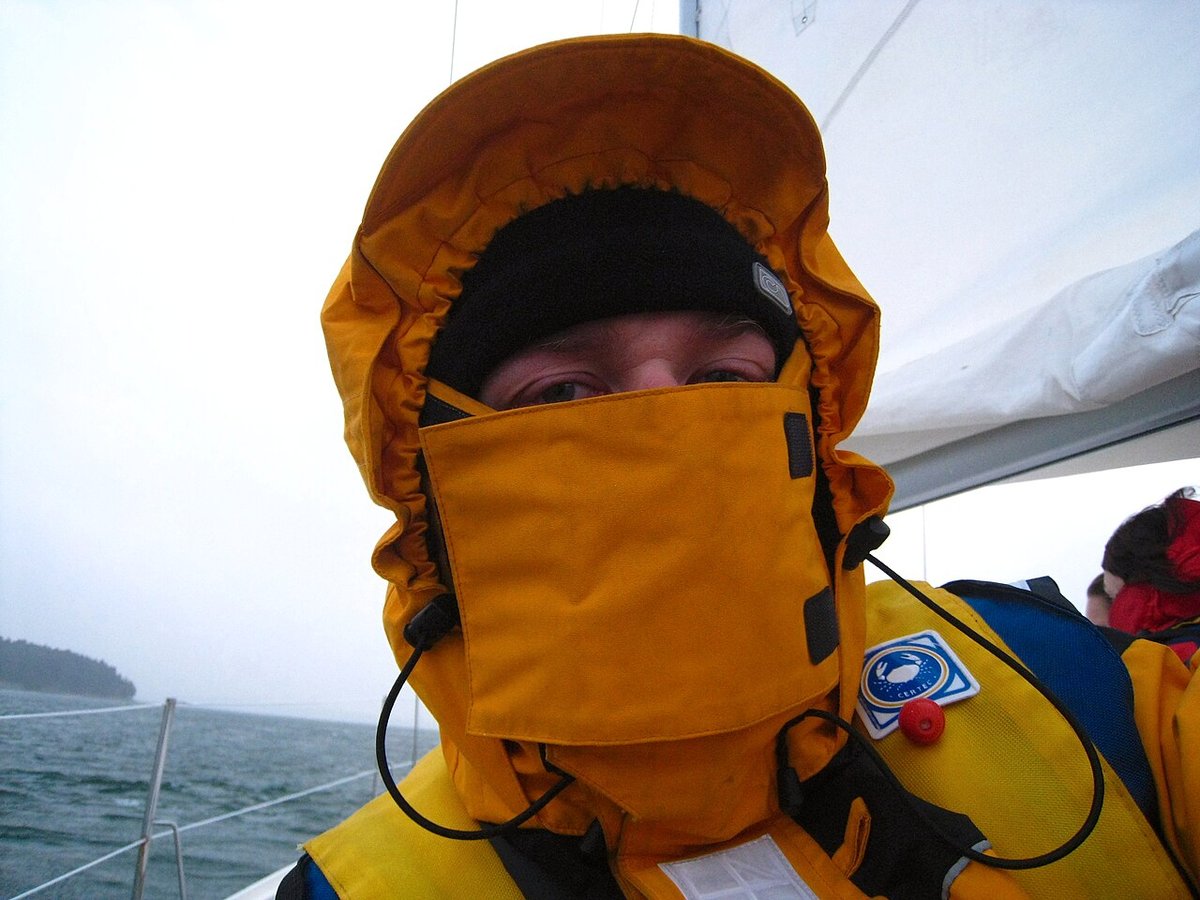
UK sailing can deliver four seasons in an afternoon. As the RYA's Dinghy Trails advice puts it, "being on the water is often colder than the shore and the sun is brighter and burns more." The right clothing keeps you warm, dry and alert. It's also part of staying safe, because cold and tired sailors make mistakes, and cold water is a hazard all year round.
This guide covers the layering principle, what the RYA suggests wearing on dinghies and yachts, and how to choose foul-weather gear for the sailing you do (as of 2026). For chandlers and clothing suppliers, see our Marine Equipment & Clothing directory.
The three-layer system
Marine clothing manufacturers build their ranges around layers, rather than one heavy coat. Gill, for example, describes three layers, each with its own job:
| Layer | Job (per Gill) | Notes |
|---|---|---|
| Base layer | Moves moisture away from the skin to keep you dry and warm after bursts of activity | Gill calls it "the foundations of the whole clothing system" |
| Mid layer | Adds insulation and lets moisture move through to the outer layer | Made from fibres that don't absorb water, so they dry quickly |
| Outer layer | A waterproof, windproof shield against spray, rain and wind | Breathability lets moist air escape |
The point of layering is flexibility. The RYA advises yacht sailors to dress in layers so they can add or remove them as needed. Gill makes a similar point: a layering system adapts to changing conditions through the day.
Don't forget your extremities. The RYA OnBoard advice recommends a hat and gloves, and a dry bag to keep everything together.
What the RYA suggests wearing
Dinghy sailing
The RYA notes that in a dinghy "you're closer to the water", so expect to get wet. Its list includes:
- a buoyancy aid ("essential")
- a wetsuit
- water-friendly shoes or old trainers
- waterproofs: a jacket with a hood, plus trousers for younger sailors
- a cap in summer or a woolly hat in cooler months
- sunglasses on a retaining band
- sunscreen, "whatever the weather"
- optionally, a dry bag.
Yacht sailing
On a yacht, the RYA says you are less likely to end up in the water, but should be prepared for rain and spray. Its list:
- a lifejacket ("essential")
- a decent raincoat with a hood
- waterproof trousers (may not be needed in warmer climates)
- a jumper or fleece, and mid layers
- comfortable, lightweight trousers or shorts
- a hat, and sunglasses on a band
- non-slip shoes or sailing boots
- a dry bag.
If you're on an RYA course or taster session, the RYA notes that instructors will provide safety equipment, including a buoyancy aid or lifejacket. Ask the centre what clothing they provide or lend.
Matching kit to your sailing
Gill suggests one of the most common mistakes is choosing clothing based only on the weather forecast. It suggests asking four questions instead:
- How long will you be on the water? An overnight passage is much more demanding than an afternoon sail.
- How wet will you get? Spray and immersion call for more protection.
- How active will you be? Racing needs breathable, flexible kit, while relaxed cruising puts comfort first.
- How far from shore will you be? The further offshore, the more you depend on your clothing when conditions deteriorate.
Gill, for example, organises its foul-weather gear into coastal, offshore and ocean systems. It describes its coastal system as suited to sailing "along the coastline, moving between harbours and marinas". The offshore and ocean systems are built for long passages, overnight sailing and prolonged exposure. Ask your chandler or training centre what they would suggest for the sailing you plan to do.
Cold water: why clothing and flotation go together
The RYA warns that cold water shock is a danger below 15°C, and that the average sea temperature in the UK and Ireland is 12°C. It advises considering the water temperature and wearing appropriate clothing for your activity, together with a correctly fitted lifejacket or buoyancy aid.
The RYA also notes that a lifejacket should be adjusted when you add or remove layers, and that heavy or air-trapping clothing can affect a lifejacket's performance. See our lifejackets and buoyancy aids guide.
Buying tips
- Start with what keeps you safe and warm. RYA OnBoard calls a lifejacket or buoyancy aid "the most essential item", worth buying new or from someone you trust.
- Waterproofs needn't be expensive at first. RYA OnBoard points out that "everyone uses waterproofs, not just sailors", so second-hand marketplaces can be a good source for beginners.
- Footwear: non-slip soles for yachts, and wetsuit boots or similar for dinghies.
- Try before you buy. Fit matters, especially with layers underneath and a lifejacket on top.
- Look after it. Follow the manufacturer's care instructions to keep the waterproofing working.
FAQ
Do I need expensive offshore gear for UK coastal sailing?
Not necessarily. Match the gear to how long, how far and how actively you sail, using questions like those above. For harbour-to-harbour coastal sailing, a coastal-grade system with good layers underneath may be enough. A chandler or training centre can advise.
What should children wear?
The RYA's dinghy list includes waterproof trousers for younger sailors. RYA OnBoard suggests that a lifejacket may suit younger children who are less confident swimmers. Clubs and centres can advise.
Is cotton OK?
Gill's layering guidance favours base and mid layers made from fibres that move moisture away and dry quickly, rather than ones that absorb water.