Lifejackets vs Buoyancy Aids: Choosing, Fitting and Servicing
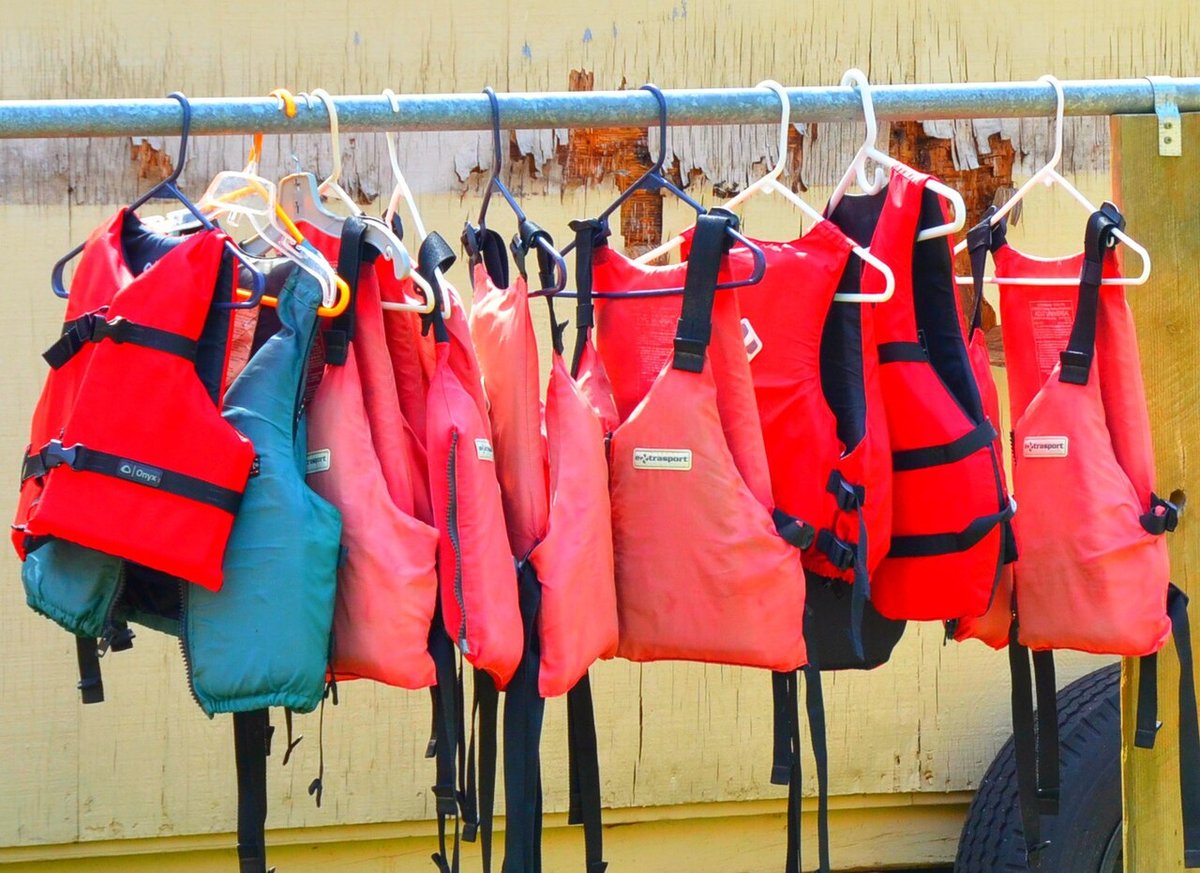
A personal flotation device is one of the simplest and most important pieces of safety kit you can own. The RYA "recommends always wearing a lifejacket, buoyancy aid or impact vest unless you are certain you don't need to", and stresses that it should be "the right size, properly fitted and in good condition."
This guide summarises the RYA's published guidance on choosing, fitting and looking after a lifejacket or buoyancy aid (as of 2026). It's for information only. Always follow the manufacturer's instructions and the guidance of your instructor or training centre. RYA courses, including Basic Sea Survival, are the best way to learn how this equipment works in practice. You'll find chandlers and safety-equipment suppliers in our Marine Equipment & Clothing directory.
Why it matters: cold water
The RYA warns that cold water shock is "a real danger in water below 15°C". It notes that the average sea temperature around the UK and Ireland is 12°C, so you can be at risk all year round. Cold water shock causes involuntary reflexes, including gasping, and "a strong swimming ability will have no impact" on that response. The RYA says a correctly fitted lifejacket or buoyancy aid will help you stay calm and afloat if you do end up in the water.
Lifejacket, buoyancy aid or impact vest?
The RYA suggests considering how likely you are to enter the water, along with factors such as operating offshore, at night or in reduced visibility, and the conditions.
Lifejackets
According to the RYA, lifejackets are:
- designed to turn an unconscious person face up, keeping the mouth and nose clear of the water
- designed for activities where you don't intend to go in the water, such as yachts, motor cruisers, open powerboats and tenders
- appropriate for coastal and offshore waters
- available with manual, automatic (water-activated) or hydrostatic (pressure) inflation, plus an oral top-up tube
- often fitted with a D-ring for attaching a safety tether.
Buoyancy aids
The RYA describes buoyancy aids as:
- designed to help you float while treading water. They won't turn an unconscious person face up.
- intended for activities where going in the water is likely and self-rescue is expected, such as dinghy sailing, windsurfing or wing foiling
- inherently buoyant (foam), so no activation is needed
- giving more freedom of movement in the water than a lifejacket.
Impact vests
These are designed for personal watercraft and foiling, where there is a risk of high-speed impact. The RYA says they should offer at least 50 Newtons of inherent buoyancy, and won't turn an unconscious person face up.
Buoyancy levels and standards
The RYA explains that all new lifejackets and buoyancy aids sold in the UK or Europe must comply with ISO 12402. Some also carry CE marks from earlier EN standards. Its quick reference guide:
| Level | Standard | Typical use (per RYA) |
|---|---|---|
| 50 | ISO 12402-5 / EN 393 | Close to shore. The wearer is water-confident and can self-rescue. Foam. Won't turn an unconscious person. |
| 100 | ISO 12402-4 / EN 395 | Sheltered or calm waters where rescue is likely to be prompt. Not for rough conditions. |
| 150 | ISO 12402-3 / EN 396 | Coastal and offshore. Usually inflatable. Designed to turn an unconscious wearer face up. |
| 275 | ISO 12402-2 / EN 399 | Extreme offshore conditions, especially with heavy or air-trapping clothing. |
The RYA notes that the performance of a Level 150 lifejacket can be affected by heavy or air-trapping clothing. Always follow the manufacturer's guidance on buoyancy, size and fit.
Buying a lifejacket: what the RYA suggests looking for
- At least 150N buoyancy, conforming to ISO 12402-3 or EN 396
- Crotch straps, a whistle and retroreflective material
- A spray hood and light, or attachment points for them
- An integrated D-ring if you want to clip on a safety line
- If you plan to fit a PLB, check with the manufacturer or an authorised service centre that it can go inside the lifejacket without affecting how it works. See our guide to AIS, PLBs and EPIRBs.
Fitting
The RYA says a lifejacket should fit snugly over the clothing you're wearing:
- The collar should sit comfortably around your neck.
- Straps should be free of twists before you clip them.
- The waist strap should be comfortably tight.
- Crotch straps should be semi-tight, because loose or dangling straps can get caught.
- Adjust the fit if you add or remove layers.
For buoyancy aids, the RYA suggests a simple test. Adjust the straps, then lift the buoyancy aid by the shoulders. If it rises more than 50mm (2 inches), it's too big or not properly adjusted. For children, the RYA advises choosing the correct size rather than sizing up for growth, and always fastening any crotch straps.
Checking and servicing
This is where many lifejackets fall down. The RYA cites RNLI lifejacket clinics, which found that 30% of lifejackets brought in for inspection would not have worked in an emergency.
Through the season, the RYA recommends:
- checking the cover, webbing, stitching, clips and buckles for damage
- making sure parts with an expiry date are in date, such as the firing mechanism and light
- checking that screw-in CO2 cylinders haven't worked loose. The RYA calls this "a common cause of lifejacket failure".
- checking CO2 cylinders for corrosion, and replacing a heavily corroded cylinder
- carrying a spare lifejacket or re-arming kit, and repacking according to the manufacturer's instructions.
Servicing. The RYA, RNLI and MCA all advise having your lifejacket serviced at the interval the manufacturer recommends, by an approved service station. The RYA notes that for many professional and commercially used lifejackets, annual servicing is a legal requirement.
Buoyancy aids: check for rips, frayed straps, broken zips or buckles, and damaged or compressed foam.
FAQ
Do I legally have to wear a lifejacket on my own boat?
Requirements vary by activity, location and use. The RYA's recommendation is to always wear one unless you're certain you don't need to. Follow your club, training centre or harbour's rules.
Automatic or manual?
The RYA explains both types but doesn't prescribe one. Ask your training centre or a chandler about which suits your boating.
What else should I wear in the water?
See our guide to foul-weather clothing, and the RYA's cold water shock advice.