Go or No-Go? How Sailors Decide Whether to Sail or Stay in Harbour
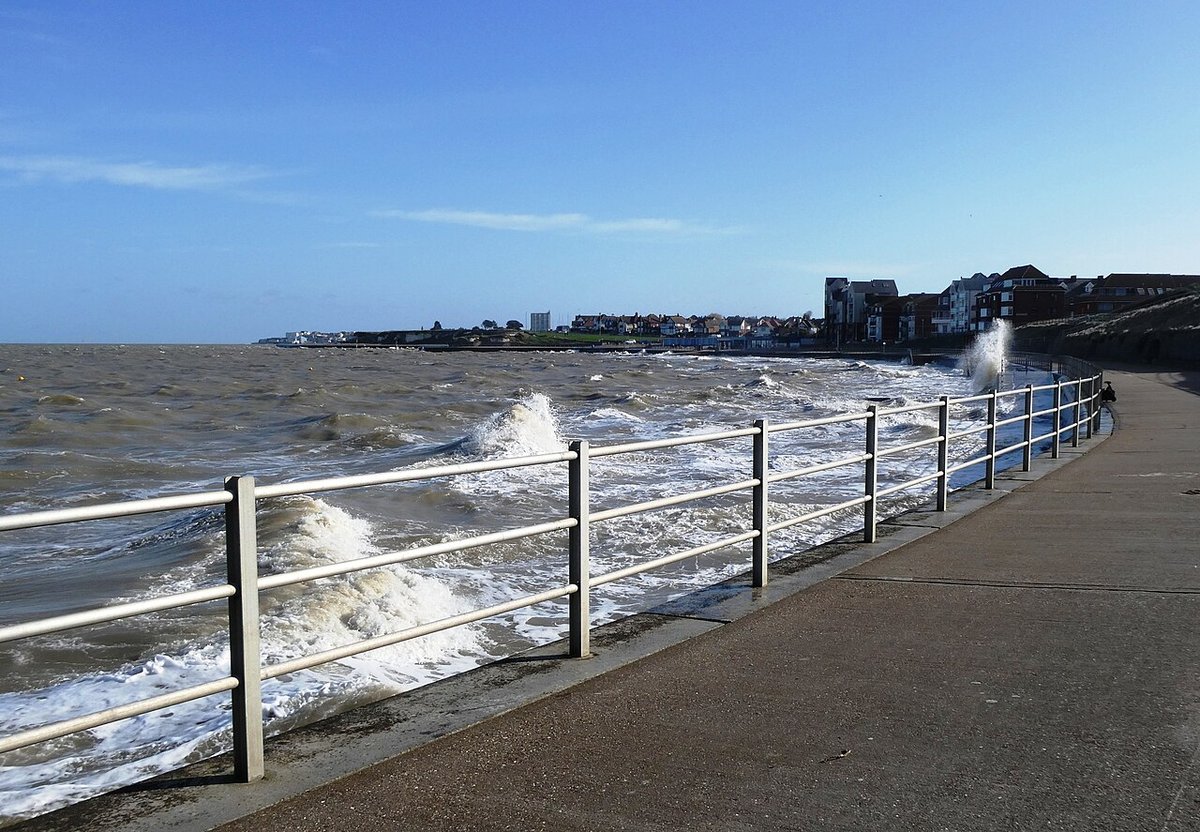
Every skipper faces the same question at some point: go, or stay put? There's no formula that gives the right answer. The RYA's safety guidance does, though, set out the factors experienced sailors weigh up. This article draws them together (as of 2026).
It's for information only, not a decision-making tool. Decisions about going to sea should be based on your training, experience, the latest official forecasts and local knowledge. RYA courses, from Day Skipper to Yachtmaster, cover passage planning and weather in depth. Find forecast providers in our Marine Weather directory.
Start with yourself, your boat and your crew
The RYA's Know your limits guidance puts it simply: "you, your boat, and your crew are one". It says your boating may be limited by your knowledge, the boat, the crew's ability, the equipment carried or the weather. The aim is to identify those limits and work within them, or deal with them before setting out.
You
The RYA warns that "many accidents happen as a result of trying to do too much before you are ready". It urges boaters not to mix alcohol and boating. It notes that seasickness, illness and drugs can also impair ability.
Your boat
"Resist the urge to exceed its capabilities," says the RYA. Its passage planning guidance asks whether your boat is "up to the proposed trip", and whether you have the right safety equipment and stores. It also suggests checking the engine before you set off.
Your crew
Consider your crew's experience and physical ability: length of day, standing watch, and what they're comfortable with. The RYA adds: "don't let your crew pressurise you to do something you're not comfortable with."
Reading the weather
Look at several sources
The RYA advises looking at more than one forecast. It points out that a forecast is "only an indication of what is likely to happen". It also suggests treating the last two days of a 5-day forecast with caution. Our guides on reading the Shipping Forecast and weather apps for UK sailing cover the sources in more detail.
Look for warnings
The Met Office issues gale warnings for force 8 or more. Strong coastal wind warnings (force 6 or more) are shown with the inshore waters forecast. The timing words matter: "imminent" means within six hours of issue, and "soon" means within six to twelve.
Wind and sea state
The Met Office Beaufort table shows how sea state builds with wind. For example, it gives a probable wave height of around 2 m in the open sea at force 5, and around 3 m at force 6. It also notes a lag between the wind getting up and the sea building. That matters if conditions are forecast to worsen during the day.
Wind against tide
In an RYA article on weather, wind and waves, former RNLI Head of Lifesaving Howard Ramm notes that waves may be "significantly increased" when the tidal stream runs against the wind. The effect is greater on larger tides. He gives an example: if it's blowing 16+ knots with a 1 m swell, "it's probably not going to be an enjoyable family day out". A change in tidal direction partway through the passage would make things worse.
The passage plan
The RYA notes that passage planning is an obligation under SOLAS V, even for short trips. Its checklist includes several points that bear directly on the go/no-go decision:
- Route and hazards. These include shoals, overfalls and constraints such as tidal gates.
- Refuge. Consider "alternative destinations and places where you could take shelter if necessary".
- Daylight. "Could delays lead to unexpected night time boating?"
- The unexpected. Plan for deteriorating weather, illness, injury, gear failure, the trip taking longer, missing a tidal gate, "or simply deciding not to complete the trip".
- Share your plan. Let someone ashore know your plan and what to do if they become concerned.
The season and the water
The RYA notes that the average sea temperature around the UK and Ireland is about 12°C. It also notes that cold water shock is a risk in water below 15°C, so the risk can exist all year round. It says risks are higher at the start of the season. Clothing and lifejackets are covered in our lifejackets and buoyancy aids guide.
Some questions sailors ask themselves
These prompts summarise themes from the RYA guidance above. They aren't a checklist that guarantees safety:
- Is the latest official forecast, including any warnings, within what this boat and crew can comfortably handle?
- How does the tide interact with the wind along my route, and at headlands and tidal gates?
- What happens if the forecast is wrong, or conditions arrive earlier? Where's my bolt-hole?
- Is everyone fit, rested and briefed? Do they know where the safety equipment is?
- Is the boat and its engine ready, and is the right safety kit aboard?
- Will I be back, or in shelter, before dark if things take longer?
- Does someone ashore know my plan?
If the answers leave you uneasy, many experienced sailors would choose to wait. Staying in harbour costs very little compared with getting it wrong.
Building judgement
The RYA says training "is available to help you develop your skills". Its courses cover passage planning, weather and seamanship, at every level from beginner upwards. Sailing with more experienced skippers is another way to build experience. See our RYA qualifications pathway.
FAQ
Is there a wind strength above which I shouldn't sail?
There isn't a universal limit. It depends on the boat, crew, experience, sea state, the direction relative to tide and land, and your route. Your training and the manufacturer's guidance for your boat are the best starting points.
Can I trust the forecast for my exact location?
The RYA cautions that computer-generated forecasts for specific spots may not reflect local effects, such as headlands or sea breezes. It suggests backing them up with Met Office observations.
What if I set out and conditions worsen?
That's why the RYA's passage planning guidance includes refuges, alternative destinations and the option of not completing the trip. Monitor Coastguard VHF broadcasts while under way.