Do You Need a VHF Licence in the UK? The SRC and Ship Radio Licence Explained
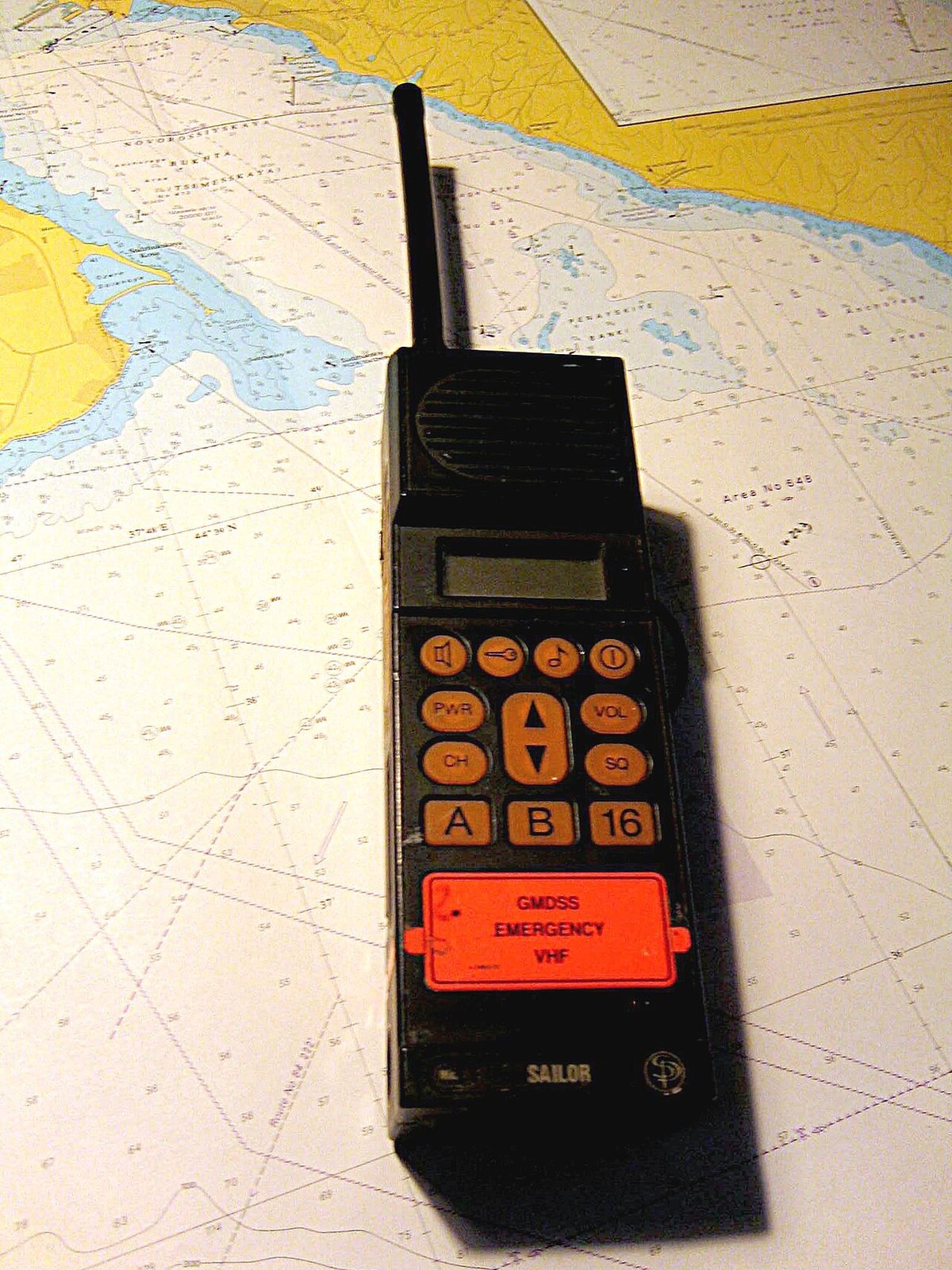
A marine VHF radio is one of the most useful pieces of safety kit you can carry. It lets you talk to the Coastguard, harbours and other boats, and with DSC it can send a distress alert at the press of a button. It is also one of the few things on a UK leisure boat that is tightly licensed.
The short answer: if you use a marine VHF, fixed or handheld, you need an operator's certificate such as the RYA Short Range Certificate (SRC), and the radio itself needs an Ofcom licence. This guide explains both, what the course involves and what it costs (as of 2026).
You can find SRC courses through our Sailing Schools & Training directory.
Two separate requirements
People often talk about a "VHF licence" as if it were one thing. In fact there are two:
- An operator's certificate for the person. The SRC is the usual one for leisure boaters.
- A radio licence for the equipment. This is issued by Ofcom, either a Ship Radio Licence for a particular vessel or a Ship Portable Radio Licence for a handheld.
You need both.
The operator's certificate: the SRC
The RYA describes the Marine Radio Short Range Certificate as "the minimum qualification required by law to control the operation of VHF and VHF Digital Selective Calling (DSC) equipment on any British flagged vessel voluntarily fitted with a radio either fixed or hand held." The RYA says it applies even if you only carry a handheld VHF while kayaking or paddleboarding.
What the course covers
According to the RYA, the SRC course covers:
- basics of radio operation and frequencies
- distress, emergency and medical assistance procedures
- ship-to-shore telephone calls
- Digital Selective Calling (DSC)
- the Global Maritime Distress and Safety System (GMDSS)
The course is about 10 hours plus exam time and needs no previous experience. You can do it in a classroom or online, but the exam is taken in a classroom at an RYA Recognised Training Centre. The RYA VHF Handbook (G31) is included.
The exam
The SRC exam has a written theory paper and a practical assessment on a marine VHF. To sit it you must be at least 16 on the day and have completed an SRC course at a recognised centre. Some people can go straight to the exam instead, for example if they hold an RYA Restricted VHF certificate or a suitable aviation radio operator's certificate.
What it costs (as of 2026)
There are two separate charges:
- The exam fee, paid to the RYA: £76 in 2026, according to the RYA's exam fees page.
- The course fee, set by the training centre: this varies. Andrew Simpson Yachting, for example, lists its one-day SRC course at £135 per person, plus the separate £76 assessment fee.
The certificate covers the person, not the boat, so you can use it on any British-flagged vessel with a licensed radio.
The equipment licence: Ofcom
The RYA explains that under the Wireless Telegraphy Act 2006 it is unlawful to install or use transmitting equipment on a UK vessel except under an Ofcom licence. For leisure boats, there are two options.
Ship Radio Licence
The Ship Radio Licence is specific to one vessel. You list the transmitting equipment on board when you apply, which can include a fixed or portable VHF/DSC, AIS transponder, EPIRB or PLB, radar and more. The boat is given an international call sign, and new licences come with an MMSI number. Ofcom says licences remain valid for the lifetime of the vessel. When you sell the boat, you surrender your licence, and the new owner applies for their own, keeping the vessel's call sign and MMSI.
Ship Portable Radio Licence
A Ship Portable Radio Licence covers equipment you move between boats, such as a handheld VHF. The important limitation, as the RYA explains, is that it is only valid within UK territorial waters. It is not recognised internationally. If you take a handheld abroad, the RYA says you need a Ship Radio Licence for the vessel with an international call sign.
Cost and penalties
According to the RYA, both licences can be applied for free online. A fee is charged only if you apply on paper. Ofcom warns that operating without a valid licence is a criminal offence, with a maximum penalty on conviction of a £5,000 fine and/or six months in prison.
Don't forget the beacons
If your Ship Radio Licence includes a 406 MHz EPIRB or PLB, that beacon must also be registered with the UK Beacon Registry, which is free. See GOV.UK's beacon registration page. We cover the choice of beacons in our guide to AIS, PLBs and EPIRBs.
A quick checklist to talk through with your training centre
This is a summary of the points above, not a substitute for the RYA and Ofcom guidance.
- At least one person aboard holds an SRC (or higher), or the radio is used under their direct supervision.
- The boat has a Ship Radio Licence listing every transmitter aboard, or your handheld is on a Ship Portable Radio Licence (UK waters only).
- Your DSC radio is programmed with the MMSI from your licence.
- Any EPIRB or PLB is registered with the UK Beacon Registry.
- The licence details are up to date after equipment changes or a change of ownership.
FAQ
Do I need an SRC for a handheld VHF?
Yes. The RYA says the SRC requirement applies to anyone operating a fixed or handheld marine VHF on a British-flagged vessel.
Can someone without an SRC use the radio?
The RYA explains that Ofcom licence terms require the radio to be operated by, or under the direct supervision of, someone holding a maritime radio operator's certificate. The RYA's guidance on calling for help is covered in the SRC course itself.
Is the SRC needed for Yachtmaster?
Yes. The RYA lists an SRC or higher radio certificate as a requirement for the Yachtmaster Coastal and Offshore exams. See the RYA pathway to Yachtmaster.