How Much Does a Yacht Survey Cost in the UK?
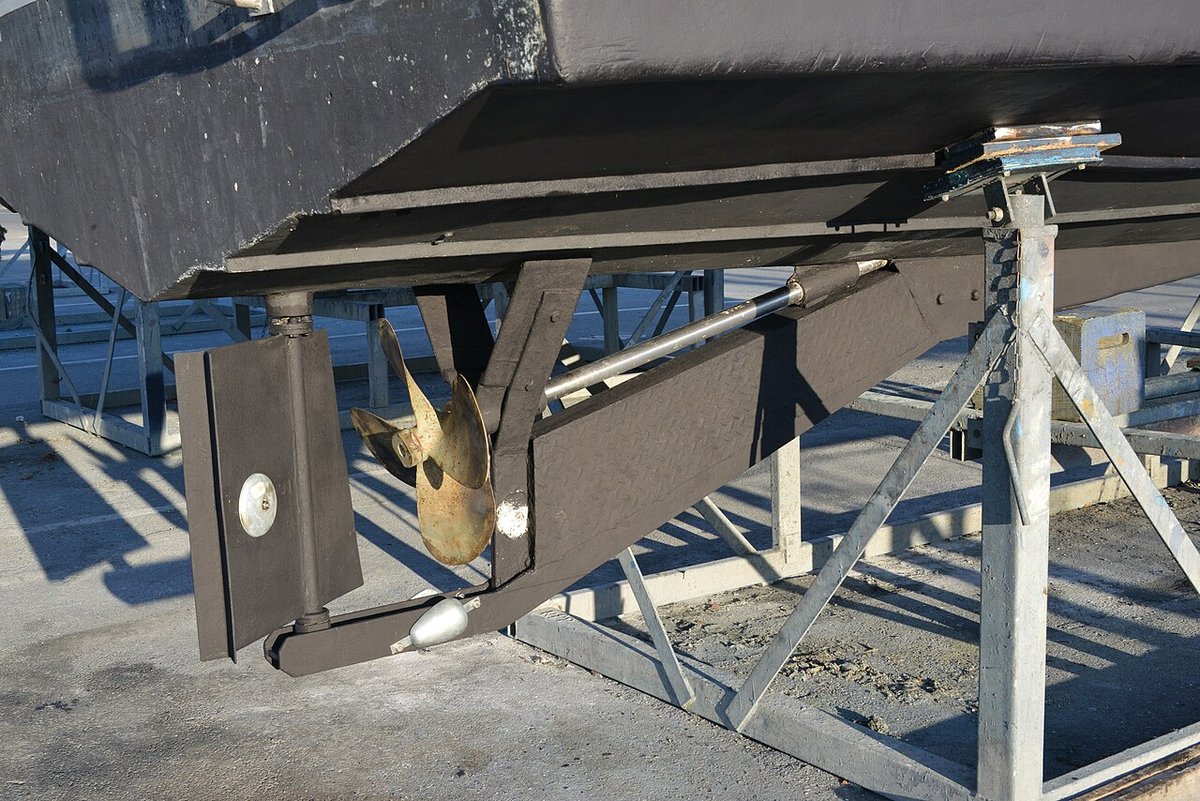
If you are buying a second-hand yacht, a survey is likely to be one of the best-value purchases you make. Practical Boat Owner, quoting a surveyor with 45 years' experience, puts it bluntly: "You might have fallen in love with this boat, but you need to know it's structurally sound."
This guide covers the main types of survey, published UK prices (as of 2026), the extras that catch buyers out, and how to choose a surveyor. You can find surveyors in our Maritime Services directory.
Types of survey
Pre-purchase (full condition) survey
This is the big one. It is commissioned by the buyer, not the seller. Practical Boat Owner explains that a pre-purchase survey focuses on the condition of the vessel and grades its recommendations by urgency. PBO adds that it "should be sufficient to insure and/or secure finance on a boat."
Insurance survey (condition report)
Insurers often ask for a survey on older boats. GJW Direct's yacht policy terms, for example, require an out-of-water condition and valuation survey for boats over 30 years old, completed within the last ten years. Requirements vary, so check with your insurer before booking. See boat insurance costs.
Limited-scope and specialist surveys
These cover one area, such as machinery, electrics, osmosis or damage after a grounding. PBO notes that surveyors are "a bit like GPs": they flag problems, and a specialist may then be called in. Engine oil analysis, rig inspections aloft and ultrasonic thickness testing of steel hulls are typically separate services.
Damage survey
After an incident, your insurer may instruct its own surveyor. PBO points out that in this case "the insurance company is the client, not you."
What does it cost?
Most UK surveyors price by the foot, with a minimum charge. Published examples:
| Survey | Published guide price | Source |
|---|---|---|
| Pre-purchase survey, boat up to 40ft | typically £600–£1,000 | Practical Boat Owner |
| Pre-purchase survey | from £15 per ft (min. £400); e.g. 35ft ≈ £525 | Sharp Marine Surveys |
| Insurance survey / condition report | £12 per ft (min. £350) | Sharp Marine Surveys |
| Osmosis survey (GRP hull) | £10 per ft (min. £350) | Sharp Marine Surveys |
| Canal boat pre-purchase | £15 per ft (min. £600) | Sharp Marine Surveys |
| Engine oil analysis | £150 per engine | Sharp Marine Surveys |
| UK market range, pre-purchase | about £12–£25 per ft | Survey My Boat |
Guide prices as published in 2026. Final costs depend on size, age, construction, location and scope.
So for a typical 30–40ft cruising yacht, a pre-purchase survey is likely to cost somewhere in the hundreds of pounds to around £1,000, before extras.
Extras that aren't always included
- Lift-out and relaunch. The hull needs to be out of the water for a proper pre-purchase survey. Survey My Boat says the buyer pays for the lift "in almost all cases", paid directly to the yard, and suggests £150–£500 for a lift, hold and relaunch depending on the yard and the boat. It is always worth asking whether the seller will contribute.
- Sea trial. PBO says some surveyors include an on-the-water survey in the quote, while others charge an additional £100–£150 for the test sail. Sharp Marine Surveys lists sea trials separately at £400–£600 depending on location.
- Travel and accommodation for a distant boat.
- Engine survey or oil analysis. A standard survey looks at the engine bay visually. Engine internals need a marine engineer.
- Rig inspection aloft. Survey My Boat notes that rig climbing and masthead inspection are arranged separately. See our guide to yacht standing rigging replacement.
- Valuation. PBO says a valuation is "not normally included", so ask in advance if you need one.
What a survey does (and doesn't) cover
Survey My Boat describes a pre-purchase survey as a visual inspection of everything that can reasonably be reached without dismantling the boat. This includes the hull, keel and rudder out of the water, moisture readings on GRP, the deck, structure, skin fittings and seacocks, steering and stern gear, the electrical and gas installations, the rig from deck level, and the safety equipment.
It doesn't normally include dismantling linings, engine internals, a sea trial, going up the mast, or a valuation. A good report states clearly what could not be inspected.
Choosing a surveyor
PBO notes that a marine surveyor "doesn't need formal qualifications". It is therefore worth choosing someone who belongs to a professional body. Options include:
- YDSA (Yacht Designers and Surveyors Association). ABYA describes the YDSA as its sister association, and says all YDSA surveyors are assessed rigorously before being elected.
- IIMS (International Institute of Marine Surveying), which runs professional qualifications and a surveyor search.
Other tips from these sources:
- The broker can't recommend a surveyor, but may have a list of local ones (ABYA).
- Ask for a sample report and proof of membership (PBO).
- Check with your insurer and lender which surveyors they accept before you book, so you don't pay twice (Survey My Boat).
- Don't rely on an old survey from the seller. It may be out of date (PBO).
After the survey
ABYA's buying guide says that if the survey finds substantial defects, you may be able to withdraw under the terms of the contract, revise the price, or ask the seller to put things right. That depends on your Sale & Purchase Agreement. PBO adds that the YDSA view is that a survey is "not a bargaining tool", although serious defects can legitimately be raised. Our guide to choosing a yacht broker covers the buying process.
FAQ
How long does a survey take?
Survey My Boat suggests three to six hours on site for a 25–45ft boat, with the written report normally following within two to five working days.
Should I attend?
It is not required, but many buyers find it very useful to be there for at least part of the day and get a verbal summary.
Is a survey worth it on a cheap boat?
PBO gives the example of a 1975 yacht with an offset rudder and keel, where the repairs would have cost more than the boat was worth. The survey is what revealed that.