Winter Lay-Up: Ashore or Afloat, and How to Winterise Your Yacht
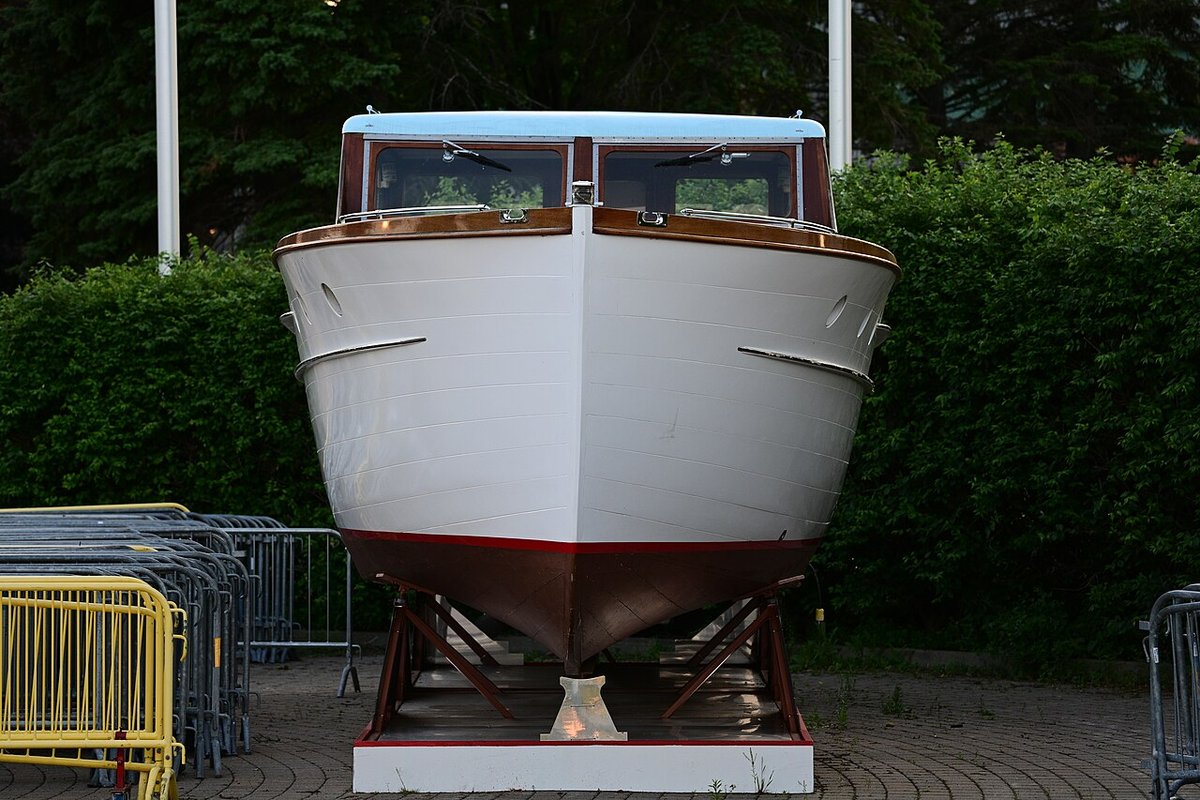
As the UK season winds down, every owner faces the same decision: haul out and lay up ashore, or keep the boat afloat through the winter? Both can work. Either way, the boat and particularly the engine will need some care before the cold sets in.
This guide summarises the RYA's published winterising advice and gives example yard charges (as of 2026). It is for general information only. Your engine and equipment manufacturers' instructions, and advice from a qualified marine engineer, take priority. Boatyards, engineers and storage providers are listed in our Maritime Services directory.
Ashore or afloat?
The RYA's Sail and Motor Cruising Chief Instructor, Vaughan Marsh, makes the point that "boats contain a multitude of systems that hate inactivity, particularly the engine", and that "the best way to winterise your boat is to continue to use it."
| Afloat | Ashore | |
|---|---|---|
| Winter sailing | Yes, you can keep using the boat | No |
| Hull access for antifouling, anodes and survey | Needs a lift or scrub | Easy |
| Typical extra costs | Winter berth or mooring; heating or dehumidifier power | Lift out and relaunch, pressure wash, hardstanding, cradle or props |
| Main risks (per RYA) | Freezing, damp, chafe on mooring lines | Rain ingress, condensation, damp |
Many owners haul out anyway because it is the natural time to do below-the-waterline work. See our guide to antifouling and anodes.
What it costs: an example
Charges vary widely by region and yard. As one published example, Suffolk Yacht Harbour's 2026–27 scale of charges (excluding VAT) lists:
- Lift from water to hardstanding, or hardstanding to water: £27.08 per metre
- High-pressure wash below the waterline: from £5.85 per metre
- Hardstanding: £22.70 per metre per month
- Cradle leg hire (for blocking off motor cruisers): £13.68 per leg per month
For a 10m yacht, that means paying for the lift out, the wash, each month ashore and the relaunch. Your own yard's prices may be quite different, so ask for a full quote, including VAT, any cradle or props, and whether you are allowed to work on the boat yourself. Berthfinder notes that some marinas require professional winter haul-outs, antifouling or inspections, which it estimates add £500–£2,000+ a year. For the bigger picture, see the cost of owning a yacht in the UK.
If you stay afloat: RYA tips
For boats left in the water, the RYA highlights the risks of freezing and damp. Its suggestions include:
- running the engine reasonably often, preferably in gear
- using thermostatically controlled electric heaters set above freezing, below deck and in the engine bay
- running a dehumidifier, drained into the sink rather than the tank
- monitoring the power supply. The RYA mentions a smart plug with a SIM card that can alert you to power loss or low temperatures.
- keeping fuel tanks topped up
- draining any external shower and isolating it from the freshwater system
- adding extra mooring lines and adjusting them regularly to move the chafe point
- removing clothing and bedding, and cleaning and airing the fridge
- checking hull fittings for leaks and corrosion, and checking the stern gland in line with the manufacturer's recommendations.
If you lay up ashore: RYA tips
Many of the afloat tips still apply. The RYA adds:
- Angle the bow slightly up so rainwater runs off covers, decks and the cockpit.
- Use covers that keep water out but allow air to circulate, because condensation leads to rot, mould and corrosion.
- Drain the freshwater system thoroughly, including the tank, pump, calorifier, filters and taps (especially shower mixers).
- Check any antifreeze-based heating with a strength tester. Antifreeze has a limited life.
- Remove food, which could be damaged by frost or attract rodents.
- Take linen and soft furnishings home, washed and dry. Prop open the fridge, lockers and bunk cushions to keep air moving.
- Protect deck electronics with tight-fitting covers.
- Make a list of everything you have done, and leave signs aboard so that nobody operates a winterised system by mistake.
Whether ashore or afloat, the RYA stresses that the boat still needs frequent visits, especially before strong winds.
The engine: RYA's 10 points
The RYA says that if you only have time to winterise one thing, "make sure it's the engine". It notes that many engineering companies will do the work for you. Its top tips for a diesel engine cover:
- Cleaning and inspection, including drying the bilges.
- Filling the fuel tank to reduce condensation and the risk of diesel bug.
- Changing the engine oil and filter, because old oil contains acidic by-products of combustion.
- Checking the gearbox or outdrive oil. Replace it if it looks cloudy or milky.
- Draining the raw-water cooling system and refilling it with an antifreeze solution. The RYA says draining alone is unlikely to remove all the water.
- Checking the water pump impeller. Consider replacing it in spring.
- Removing the air filter and blocking the intake and exhaust, with a clear warning notice on the engine controls.
- Removing the batteries where possible, kept warm, dry and charged. If they stay aboard, keep them topped up.
- Relaxing or removing belts.
- Keeping a list so you can reverse everything in spring.
The exact procedure depends on your engine. Follow the manufacturer's manual, and if in doubt, use a qualified marine engineer. The RYA's one-day Diesel Engine course covers basic maintenance and engine care, including winterisation.
Planning ahead for spring
Use the winter to book jobs that are easier with the boat ashore: antifouling, anodes, a rigging inspection (see standing rigging replacement) and any survey your insurer needs. The RYA's spring to-do list is a useful companion when it is time to recommission.
FAQ
When should I lay up?
That depends on your sailing plans and your yard's lift-out schedule. Ask the yard when slots are available and book in good time.
Can I live aboard or work on the boat ashore?
It depends on the yard's rules. Ask before you book.
Does my insurance cover the boat ashore?
Check your policy. Some cover lifting and launching and the period ashore. See what yacht insurance covers.