Winter Sun Sailing: The Canaries and Other Escapes from a UK Winter
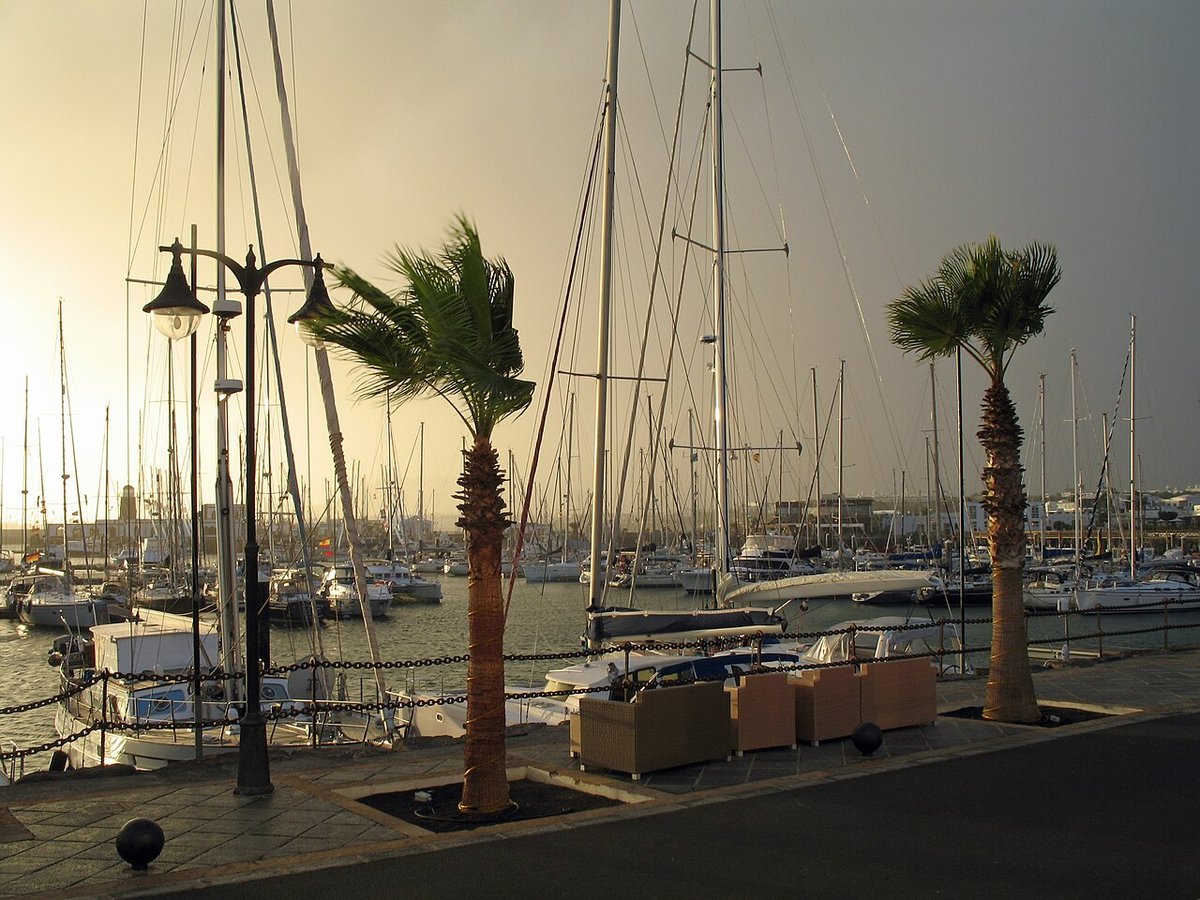
By November most UK boats are coming out of the water, or being laid up afloat (see our winter lay-up guide). If you would rather keep sailing, you will need to head south. Many Mediterranean charter bases close for the winter: Sunsail, for example, lists Dubrovnik, Lefkas and Sardinia among bases closed between December and March. The Canary Islands are one of the closest well-established winter sailing grounds to the UK.
This guide covers what makes the Canaries a good winter choice, the main long-haul alternatives, and what to check before booking. For operators, see our Charter & Marine Holidays directory.
Why the Canaries in winter?
The RYA, in winter destination content provided by its holiday partner Sunsail, describes the Canaries as "an excellent choice for winter", with temperatures around 22°C. It says that for most of the year trade winds bring a Force 3–4 from the north-east, and that December is the calmest month.
Other practical advantages, according to the cruising site Noonsite:
- The islands are close together. The seven main islands are well spaced, so it is only a day's sail between most of them.
- It is in the EU. The Canaries are an integral part of Spain, and so part of the EU, though with a special economic status. The currency is the euro.
- The time zone is the same as the UK's.
- The climate is subtropical, with mild winters.
The seven main islands
Lanzarote, Fuerteventura, Gran Canaria, Tenerife, La Gomera, La Palma and El Hierro. The RYA notes that if you visit in February, you could also catch the Santa Cruz de Tenerife carnival.
Atlantic sailing, not Mediterranean sailing
The Canaries sit in the open Atlantic off north-west Africa. Swell, wind between the islands and passage lengths can feel very different from a sheltered Mediterranean cruising ground. Experienced local skippers and charter companies will brief you on local conditions, and the Spanish State Meteorological Agency (AEMET) publishes official marine forecasts for coastal and offshore areas. If you are not confident, a skippered charter is a sensible way to try the area.
Berths and busy times
Noonsite notes that from November to January the islands fill with yachts preparing to cross the Atlantic. World Cruising Club's ARC and ARC+ rallies start from Las Palmas de Gran Canaria in November. Expect marinas to be busy around these dates.
Noonsite also reports that government-run ports (Puertos Canarios) operate an app and online system for pre-booking berths, but that availability can be uncertain. It adds that anchoring is restricted in the Canaries, and that in many places authorisation is required. If you are chartering, your operator will usually handle the base marina. Ask them about berths and anchoring permissions for your planned route.
Qualifications for a Canaries charter
The Canaries are Spanish, so Spanish rules on evidence of competence apply when you hire a Spanish-flagged boat. The RYA's Spain page lists which RYA certificates are recognised in Spanish law for hiring Spanish-flagged pleasure boats. For example:
| Certificate | Boat length | Distance from coast |
|---|---|---|
| Day Skipper | up to 24m | up to 12 miles |
| Coastal Skipper / Yachtmaster Coastal | up to 24m | up to 20 miles |
| Yachtmaster Offshore | up to 24m | up to 150 miles |
| ICC (sail, coastal waters) | up to 24m | up to 12 miles |
Source: RYA Spain country advice (as of 2026). Some passages between islands may be longer than these limits allow, so check with your charter company which certificate they need for your planned route.
No qualifications are needed for a skippered charter. Poseidon Week, for example, lists skippered Canary Islands cabins from £1,030 per person and whole boats from £6,790 per week for its November–April season. Prices are the operator's published 2027 figures, and you would add a kitty for food, fuel and marina fees. See what qualifications you need to charter a yacht and our Mediterranean charter cost guide for how charter costs build up.
Long-haul alternatives
The same RYA/Sunsail winter destinations article highlights three further options:
| Destination | Best months (per RYA/Sunsail) | Conditions described |
|---|---|---|
| Antigua (Caribbean) | December–February | 22–28°C; trade winds; safe anchorages |
| Seychelles | December–March | Around 29°C; light north-westerly monsoon of 5–15 knots |
| Thailand | December–February (dry season) | Around 30°C; north-easterlies of 5–16 knots; Phuket has most marinas |
Sunsail also points winter sun seekers towards the British Virgin Islands and Grenada. Long-haul destinations mean longer flights and higher costs. The trade-off is reliably warm water.
Planning tips
- Book early if you want specific dates, especially around holidays.
- Allow for shorter days. Winter daylight is shorter even in the sub-tropics, which can limit day-sail distances.
- Pack layers. Evenings at sea can feel cool even when the days are warm. Our foul-weather clothing guide covers the basics.
- Check travel insurance covers sailing, and read the charter insurance and deposit terms (see the RYA's charter checklist).
- Take a course while you are there. The RYA says it has 70 Recognised Training Centres abroad. Ask whether a centre in your destination offers the course you want.
FAQ
Is the Canaries good for beginners in winter?
On a skippered charter, yes: you don't need qualifications, and a professional handles the conditions. For bareboat, the open-Atlantic passages call for appropriate qualifications and experience. Ask the charter company what they expect.
Can I sail my own boat to the Canaries for the winter?
Many owners do. Noonsite notes that more yachts are sailing down from Europe to spend the winter in the Canaries. It is an offshore passage, however, and calls for suitable experience, preparation and qualifications. See the RYA's qualifications pathway and our guide to international cruising rallies.
What about Mediterranean sailing in winter?
Some Mediterranean bases close over the winter (Sunsail lists Dubrovnik, Lefkas and Sardinia among its December–March closures), so check individual operators before planning a winter trip.
Sources
- RYA – Winter cruising destinations
- Noonsite – Canary Islands
- RYA – Spain country advice
- RYA – Holidays on the Water
- Poseidon Week – Skippered Yacht Charter Cost Guide
- Sunsail – Mediterranean Yacht Charter & Sailing Holidays
- World Cruising Club
- AEMET – Marine forecast (Spanish State Meteorological Agency)
- Puertos Canarios (official site)