Bareboat, Skippered or Flotilla: Which Sailing Holiday Is Right for You?
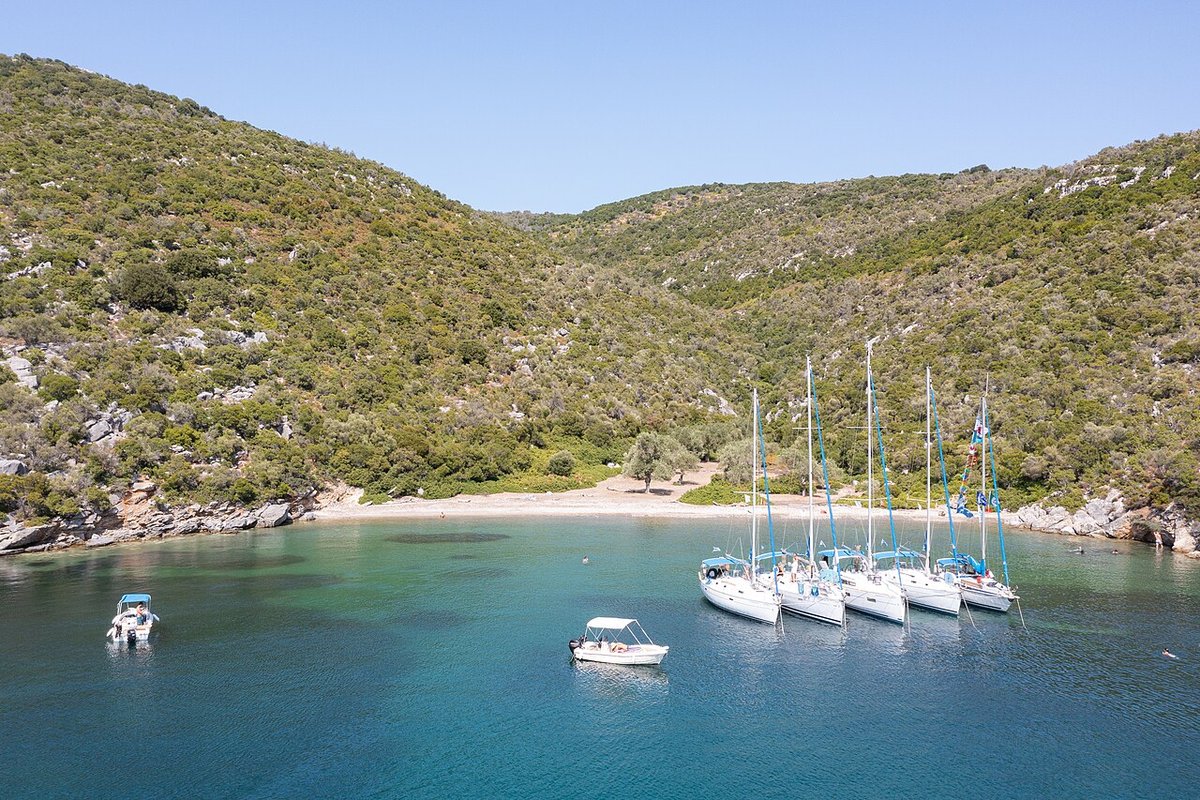
Most yacht charter holidays fall into three formats: bareboat, skippered and flotilla. They can use exactly the same boats in the same harbours, but the experience, the responsibility and the qualifications you need are very different.
This guide compares the three formats using RYA guidance and charter operators' own information, so you can pick the one that suits your crew. When you are ready to look at operators, our Charter & Marine Holidays directory lists UK and overseas charter companies.
Bareboat: you are the skipper
On a bareboat charter you hire the yacht alone and sail it yourself. The RYA describes it as ideal "for seasoned sailors", with "complete freedom to plan your itinerary". You choose where to go, when to leave, and whether to spend the night in a marina, a fishing harbour or a quiet bay.
What you need: the RYA says that to bareboat charter you will need "an adequate level of sailing experience and a qualification such as RYA Day Skipper or ICC", and that requirements vary by destination. Charter companies also set their own rules, so check with them before booking. See what qualifications you need to charter a yacht for more detail.
Suits: confident skippers with a competent crew who want independence.
Watch out for: you are responsible for the boat, the crew, navigation, weather decisions and any damage. The RYA's charter checklist points out that the security deposit is often used to cover the insurance excess if the boat is damaged, so it is worth reading the conditions carefully.
Skippered: someone else is in charge
On a skippered charter a professional skipper comes with the boat. The RYA says the skipper "will take control of the safety and technical sailing aspects", leaving you free to be "as hands on or laid back as you choose", and that no qualifications or previous experience are necessary.
There are two common ways to book:
- The whole boat with a skipper, for a family or group of friends.
- A cabin on a shared boat, where you share the yacht and skipper with other guests. Poseidon Week, for example, sells cabins this way, which can suit couples and solo travellers.
Suits: beginners, rusty sailors, mixed groups where not everyone wants to sail, and anyone who wants local knowledge of anchorages and tavernas.
Watch out for: costs beyond the skipper's fee. A Croatian charter guide notes that, by custom, charterers usually provide the skipper's berth and meals. Some operators instead build these into a kitty, so check what is included.
Skippered as a training ground
The RYA notes that skippered holidays are "great for gaining confidence and experience under the watchful eye of an expert." If you are building towards Day Skipper, ask the skipper to let you take the helm, plan passages and practise mooring. It all adds to your experience.
Flotilla: sail your own boat, with backup
A flotilla is a group of yachts sailing a planned itinerary with a lead boat crewed by professionals. You skipper your own yacht, but the lead crew are on hand. The RYA says they offer "support, weather updates and local knowledge, as well as organising social activities".
What you need: the RYA says you will need "adequate experience and qualifications such as RYA Day Skipper or ICC" to charter on a flotilla, although many companies also offer the option to hire a skipper.
Suits: couples and families with some experience who want independence during the day and company in the evening. It also works well as a first bareboat-style holiday.
Watch out for: a less flexible itinerary. The flotilla generally meets up at agreed harbours, so you trade some freedom for support.
Side by side
| Bareboat | Skippered | Flotilla | |
|---|---|---|---|
| Who sails the boat | You | Professional skipper | You, with lead-boat support |
| Qualification (RYA guidance) | Day Skipper or ICC, plus experience | None needed | Day Skipper or ICC, plus experience |
| Freedom of route | High | Agreed with the skipper | Follows the flotilla plan |
| Best for | Experienced crews | Beginners and mixed groups | Developing skippers, families, couples |
Requirements vary by destination and operator. Check with the charter company before booking.
When to go
Sunsail says the best time to visit the Mediterranean is between April and October. It describes spring (April–May) and autumn (September–October) as quieter. Some Mediterranean bases close over the winter. Sunsail lists Dubrovnik, Lefkas and Sardinia among those closed between December and March. If you want winter sun, see our guide to winter sailing in the Canaries and beyond.
Before you book any format
The RYA's charter checklist is worth reading whatever you choose. Its key points:
- Use a charter agreement, and make sure you understand it.
- Check the insurance covers your charter under the owner's or operator's policy.
- Understand the security deposit and when it can be withheld.
- Agree the boat's condition at an inspection before and after the charter.
- Have a plan for damage and disputes before anything goes wrong.
- Check that the boat is properly coded. The RYA says a UK-flagged boat may only be lawfully chartered if it complies with the relevant MCA Codes of Practice, apart from charters for racing only.
FAQ
Can complete beginners go on a flotilla?
Usually not as skipper, because the RYA says flotilla charters need adequate experience and a qualification such as Day Skipper or ICC. Many companies let you add a hired skipper, which is an option.
Is a skippered charter more expensive?
Usually, because you are paying for the skipper's time and often their food and berth too. A shared-cabin skippered holiday can still work out cheaper per person than chartering a whole boat for a small group. Our Mediterranean charter cost guide breaks this down.
Do I need an ICC for bareboat in Croatia?
UK Government travel advice for Croatia says all captains must have an International Certificate of Competence. See our ICC guide.
Sources
- RYA – Holidays on the Water
- RYA – Charter Checklist
- Sunsail – Mediterranean Yacht Charter & Sailing Holidays
- Poseidon Week – Skippered Yacht Charter Cost Guide
- Croatia Spirit – Bareboat vs Skippered Charter Croatia
- GOV.UK – Croatia travel advice: safety and security
- RYA – Evidence of Competence Abroad