What Is an ICC, and When Do UK Sailors Need One?
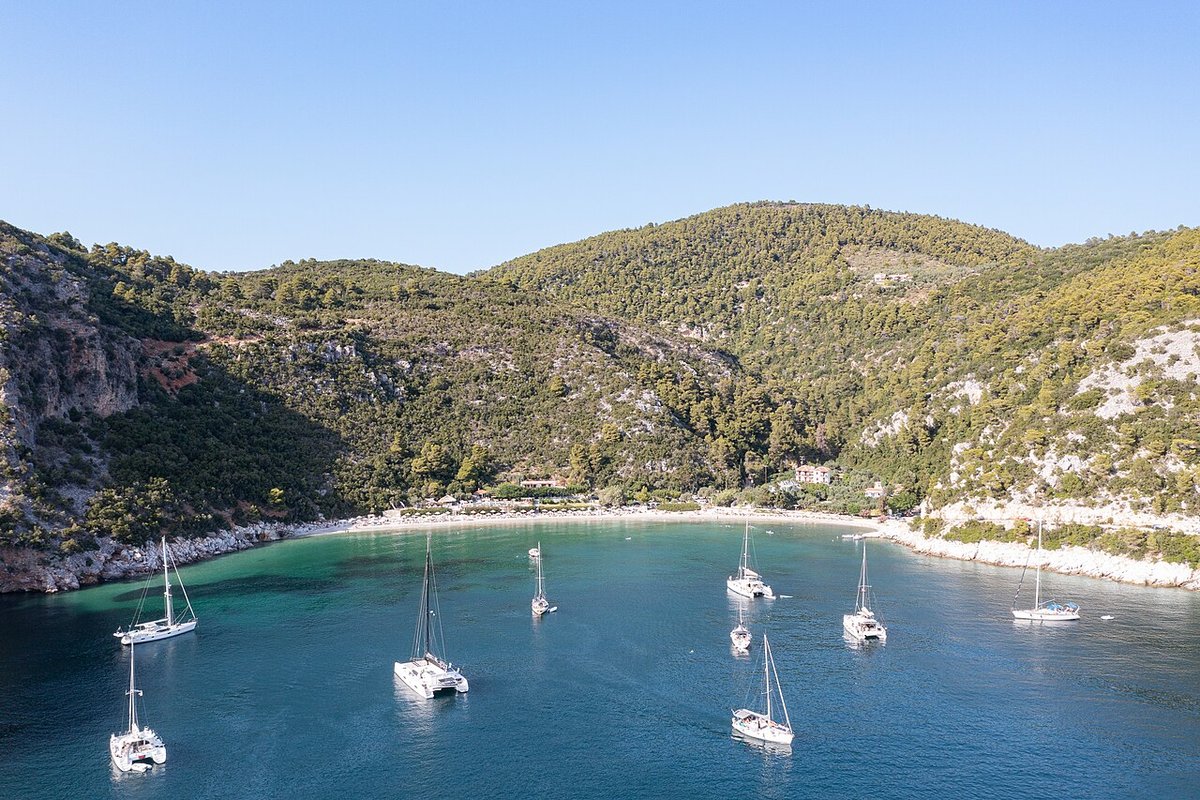
If you have looked into chartering a yacht in Croatia, Greece or Spain, you will have seen the letters ICC in the small print. The International Certificate for Operators of Pleasure Craft is the document UK sailors most often use to prove competence to officials and charter companies abroad.
This guide explains what the ICC is, how UK residents get one through the RYA, and where you are most likely to need it (as of 2026). If you need a course or assessment to qualify, our Sailing Schools & Training directory lists training centres around the UK.
What the ICC actually is
According to the RYA, the ICC is intended to provide evidence of competence when officials in a country you are visiting ask for it. In the RYA's words, it is "an assurance from one government to another" that the holder is competent to operate a pleasure craft, even though they do not hold the visited country's own certificate.
It was developed under the United Nations Economic Commission for Europe (UNECE) Resolution No. 40. The UK Government has accepted Resolution 40 and authorised the RYA to issue the UK ICC on its behalf. The RYA also notes that the ICC is issued on behalf of the Maritime and Coastguard Agency.
What it is not:
- It is not a UK licence. You do not need an ICC to sail a UK pleasure boat in UK waters.
- It cannot be commercially endorsed, and the RYA says it should never be used as evidence of competence for commercial work.
Who can get one?
The RYA will normally only issue an ICC to people resident in the UK. You will need to send proof of nationality, usually a copy of your passport, along with a passport-style photo and evidence of competence.
You do not have to be an RYA member. However, the RYA says the application is free for RYA members, and non-members pay the fee shown on the application form.
How to qualify
Each ICC is validated for particular categories. The RYA says you must show competence for:
- At least one type of vessel, such as sail or power.
- Coastal waters, inland waters, or both.
You can evidence that in two ways.
With an RYA certificate
Several RYA practical qualifications can be used. The RYA's Day Skipper Practical page notes that the course qualifies you to apply for an ICC, and the RYA describes Powerboat Level 2 as "the basis of the International Certificate of Competence".
A Day Skipper Shorebased (theory) or higher course completion certificate can validate the coastal waters category only. The RYA is clear that a shorebased certificate on its own is not enough, so you also need evidence for at least one vessel category. In general, non-RYA certificates cannot be used, although some issued for or on behalf of the MCA can.
With an ICC assessment
If you are experienced but have no qualifying certificate, you can take an ICC assessment at an RYA Recognised Training Centre for each category you want validated. The RYA's application documents include separate assessment syllabuses for power, sail, coastal and inland, plus the CEVNI test (the European inland waterway rules) for inland use.
The 10m power restriction
Some ICCs are issued with the power category limited to vessels up to 10m. The RYA explains that this restriction is lifted when the applicant has shown they are competent to handle a larger powerboat, motor cruiser or barge.
How long it lasts
A UK ICC is valid for five years. If you renew it no more than three months before it expires, the new certificate runs for five years from the old expiry date. Renew earlier than that, and it runs for five years from the date of issue. Expired certificates issued on or after 1 April 1999 can be renewed.
Where UK sailors are asked for it
This is the important part. The RYA stresses that "the onus is on ICC holders to determine its acceptability", and that both the boat's flag state and the country you are visiting decide what is required.
As a broad rule, the RYA says an ICC is recommended for the inland waterways of Europe and for inland and coastal waters of Mediterranean countries, and is generally not required in the coastal waters of Northern Europe, with exceptions.
Here is a summary of the RYA's country table for UK-flagged pleasure vessels (as of 2026):
| Country | RYA summary (coastal unless stated) |
|---|---|
| Croatia | Essential. ICC recommended |
| Greece | Yes. ICC recommended |
| Spain | Required. ICC recommended |
| Portugal | Required. ICC recommended |
| Turkey | Required. ICC recommended |
| Italy | Coastal: yes, ICC recommended. Inland: check locally |
| France | Licence required by the vessel's flag state. Carry any certificates you hold. Inland: ICC recommended |
| Netherlands | Coastal: not required. Inland: ICC required for vessels over 15m or capable of more than 20km/h |
| Ireland | Not required |
| Norway | Not required |
Requirements change, and charter companies set their own rules on top of the law. Always check the RYA's evidence of competence page and your charter company's terms before you travel.
ICC and chartering
For most UK holidaymakers, the ICC comes up when chartering. A bareboat charter in Croatia or Greece will usually require a qualified skipper, and an ICC is the simplest way to show it. See what qualifications you need to charter a yacht for how charter companies approach this, and our guide to how RYA qualifications are recognised abroad for the bigger picture.
FAQ
Is the ICC the same as Day Skipper?
No. Day Skipper is an RYA training qualification. The ICC is a separate certificate issued under UNECE Resolution 40, and Day Skipper Practical is one way to qualify for it.
Does an ICC say what size of boat I can skipper?
Apart from the 10m power restriction, the RYA says a UK ICC does not state a maximum size, because limits vary from country to country.
Can I apply for someone else?
No. The RYA says you must use your own MyRYA account, and cannot apply for anyone else, including family members.
Do I need the original certificates?
No. The RYA asks for copies only. Do not send originals.