Is Boat Insurance a Legal Requirement in the UK?
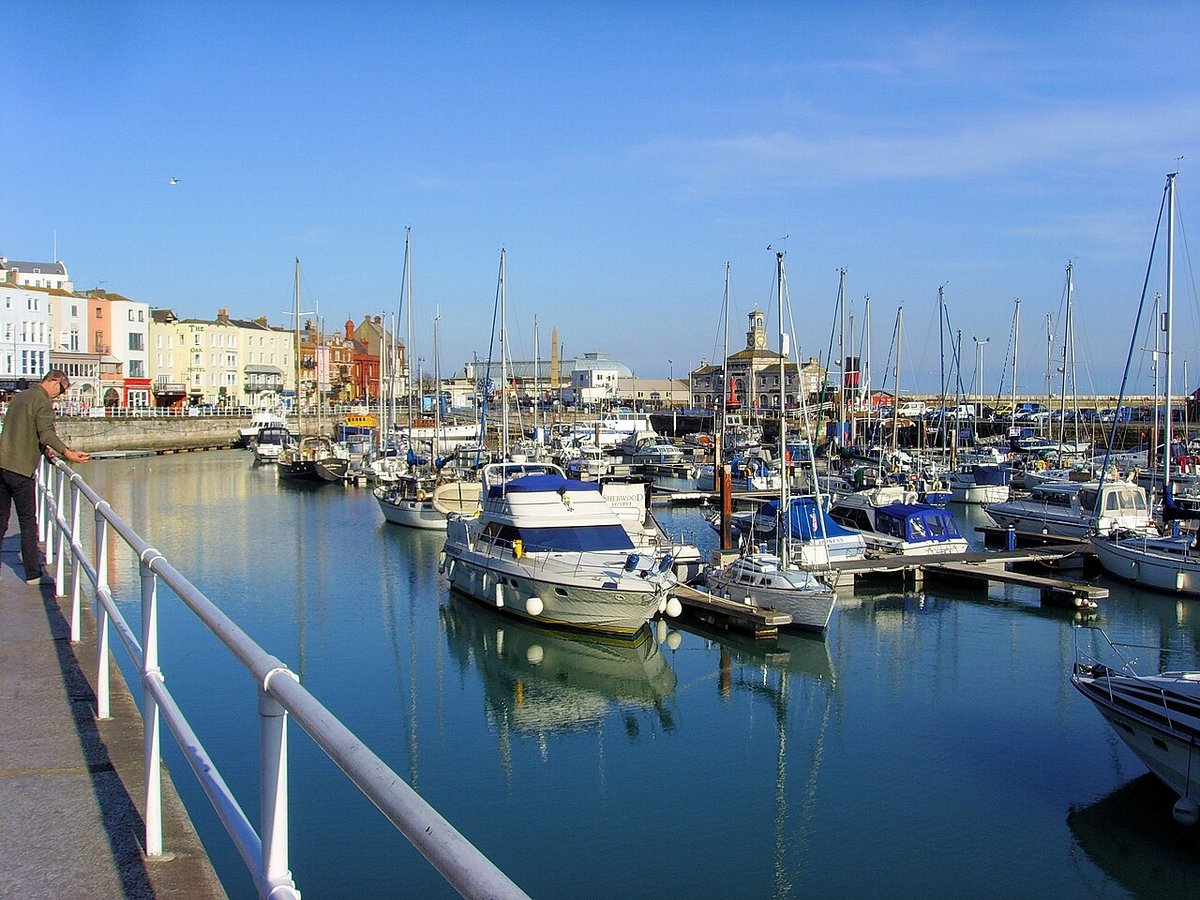
Car owners know insurance is compulsory. Boat owners are often surprised to find the position is less clear-cut. In short, there is no single law requiring all UK pleasure boats to be insured at sea, but in practice most owners need at least third-party cover to keep and use their boat. This guide explains where the requirements come from, as of 2026.
For specialist brokers and insurers, see our Marine Insurance directory.
What the law says
The RYA's insurance partner, Bishop Skinner, puts it simply: "it's not a legal requirement to have boat insurance in the UK". The broker Noble Marine says the same: boat insurance "is not actually a legal requirement in the UK".
GOV.UK's guidance for boat owners is more nuanced. It says you should check what kind of insurance you need, because "it depends on how and where you use your boat." It then sets out different positions for inland waterways and the sea.
Inland waterways: usually required
On canals and rivers the picture changes. GOV.UK says:
- You'll usually need third-party insurance for at least £1 million if you have a powered boat or a houseboat.
- You may also need insurance for some types of unpowered boat, so check with the navigation authority that manages the waterway.
- You could be prosecuted or fined without the right insurance. The penalty depends on the navigation authority.
The Canal & River Trust says all boats on its waterways, with or without a motor, need a licence. Noble Marine notes that you'll need proof of third-party insurance to obtain an inland waterways licence. Different navigation authorities have their own licences and rules, so check with the one that manages your waterway.
At sea: no blanket legal requirement, but…
For private pleasure use at sea, there is no general legal requirement. GOV.UK advises owners of small commercial boats to check MCA guidance, as they may need statutory certificates. In practice, other people will often require you to have insurance:
Marinas, harbours and boatyards
Noble Marine says "most marinas, harbours and in recognised mooring areas require evidence of third party boat insurance." Bishop Skinner adds that most boatyards and marinas would expect you to retain at least third-party insurance while the boat is on their premises. Check your berthing agreement for the level of cover it asks for.
Lakes, reservoirs and events
Noble Marine notes that most lakes and reservoirs require evidence of third-party cover. So do most organised events such as racing.
Finance
Bishop Skinner says that if you fund your purchase with marine finance or a marine mortgage, you'll need evidence of insurance as part of the application.
Charter and commercial use
Bishop Skinner adds that if the boat will be used for racing or chartering, insurance is likely to be a requirement. The RYA's charter checklist also reminds anyone chartering a boat to check that the owner's or operator's insurance covers the charter.
Abroad
Some countries expect visiting boats to carry proof of insurance. The RYA's country pages note, for example, that Croatia expects proof of third-party liability insurance, and that Greece expects a Greek translation of your insurance document showing the required level of cover. If you plan to cruise abroad, check the cruising area on your policy.
Third-party only or comprehensive?
Third-party insurance covers your liability if you injure someone or damage their property. Craftinsure describes it as cover "if you accidentally injure someone or damage third-party property while operating your boat", adding that it doesn't cover damage to your own vessel. It is often the minimum that harbours, marinas and the Canal & River Trust ask for.
Comprehensive insurance adds cover for your own boat. Noble Marine says this can include an accident, theft, or damage by fire or storm. See what yacht insurance covers for the detail.
The choice depends largely on how much you would lose if the boat were badly damaged or stolen. For a small dinghy, third-party cover may be enough. For a cruising yacht that represents a significant investment, most owners choose comprehensive cover. As Bishop Skinner puts it, "anything you invest time and potentially thousands of pounds in, is sensible to protect."
How much third-party cover?
Requirements vary. GOV.UK cites at least £1 million for powered boats and houseboats on inland waterways. Insurers commonly offer more. Craftinsure says up to £5 million of third-party cover is included as standard through its policies, and Bishop Skinner's yacht policy lists £5 million of liability to third parties and non-fare-paying passengers as standard (as of 2026). Check the minimum your marina, club or navigation authority specifies.
A quick checklist
Before you launch or move a boat, it is worth confirming:
- Where will it be kept? Ask the marina, harbour, club or boatyard what level of cover they ask for.
- Where will it be used? On inland waterways, check the navigation authority's licence and insurance rules.
- Is it financed? Your lender will set its own insurance conditions.
- Will you race, charter or go abroad? Each may need specific cover or proof of insurance.
- What would you lose? If the answer is "a lot", look at comprehensive cover rather than third-party only.
FAQ
Do I need insurance for a dinghy or paddleboard?
There is generally no legal requirement at sea, but clubs, lakes, events and inland navigation authorities may require third-party cover. Unpowered craft on Canal & River Trust waterways need a licence, so check its insurance requirements.
Does my home insurance cover my boat?
Sometimes, for small craft, but check carefully. Bishop Skinner warns that some home policies don't cover marine-specific risks such as salvage.
What does boat insurance cost?
It depends on the type, value and size of the boat, where it is kept and how it is used. See our guide to boat insurance costs in the UK.
Sources
- GOV.UK – Owning a boat: Insurance
- RYA / Bishop Skinner – Considerations when buying a boat
- Noble Marine – Boat insurance FAQs
- Bishop Skinner – Yacht insurance
- Craftinsure – Third-party boat insurance
- Canal & River Trust – Boat licensing
- RYA – Croatia country advice
- RYA – Greece country advice
- RYA – Charter Checklist